
Neighborhoods of Northfield - East Side and West Side
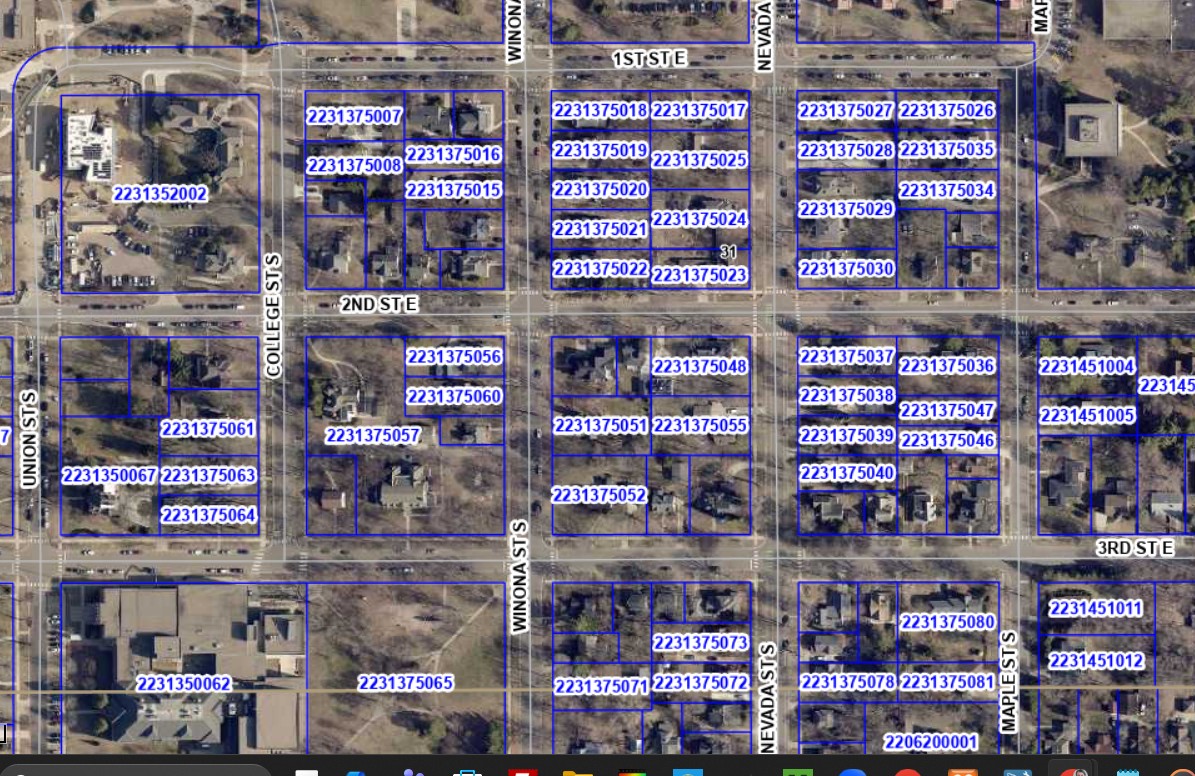
Walking about the Old East Side, I look for what might be called Carleton College neighborhoods. The houses lining the streets that are adjacent to Carleton College lead to Historic Central Park and Downtown. What I find in between, from 1st to 3rd Streets and Union to Oak Streets, is a nice blend of the old and the newer – Victorian Era to Mid-19th century architectural homes. Some of these are owned by neighborhood residents but a large number of them are owned by Carleton College and investors and are used to house students and faculty. Carleton College itself grew up along the north end of the Cannon River so this is their off-campus neighborhood.
As you walk from 1st Street to Central Park, you pass many well - preserved historic homes, each with its own story to tell, such as the Nutting House on 217 Union St which was given to the college in 1970 to be used as the residence for its presidents. (See post on Historic Public Square.) The nearby Parish House was purchased by the Methodist Church in 1921 to use as their parish house and sold to Carleton in 1965. It was originally built in 1911 by Fred B Hill, a religion professor at Carleton and became known as the Hill Family Mansion. How a college religion professor could afford to build such a lavish home is only part of the story told by local writer Susan Hvistendahl. For a fascinating read about this family, go here.
Nearby, you will find the Page House (1880s) on College and E 3rd St and the Seccombe House (1866-68) on Nevada St, two of the oldest structures belonging to Carleton College. Like many in the area neighborhoods, they were initially constructed as private residences. And, like many houses, the Seccombe House was built elsewhere, on the southwest lawn of Skinner Chapel on campus, and moved to its current location on Nevada St. And, like others, they have served the college in multiple capacities, from student housing to administrative offices to special gathering places.
There is one house that has greatly impacted students, faculty, and friends in the Carleton College neighborhood creating many special memories. It is at 110 Union St, built in 1873 by a local photographer. It became the home of Royal and Candace Moses, he a Carleton College grad and she, a hard-working wife and mother. She helped her husband through difficult times and eventually found herself an assistant to Carleton’s treasurer until she retired before becoming a part-time librarian there. She and her husband opened their home to rehearsals for the school’s singing Knights, then, Sunday brunch for students and friends until students found their way to play cribbage and just hang out. Dacie Moses’ hospitality drew people in and her love kept them coming back. She left her home to Carleton College to be used after her death in 1981 as it had been used when she was alive. It remains a special place for many to this day.
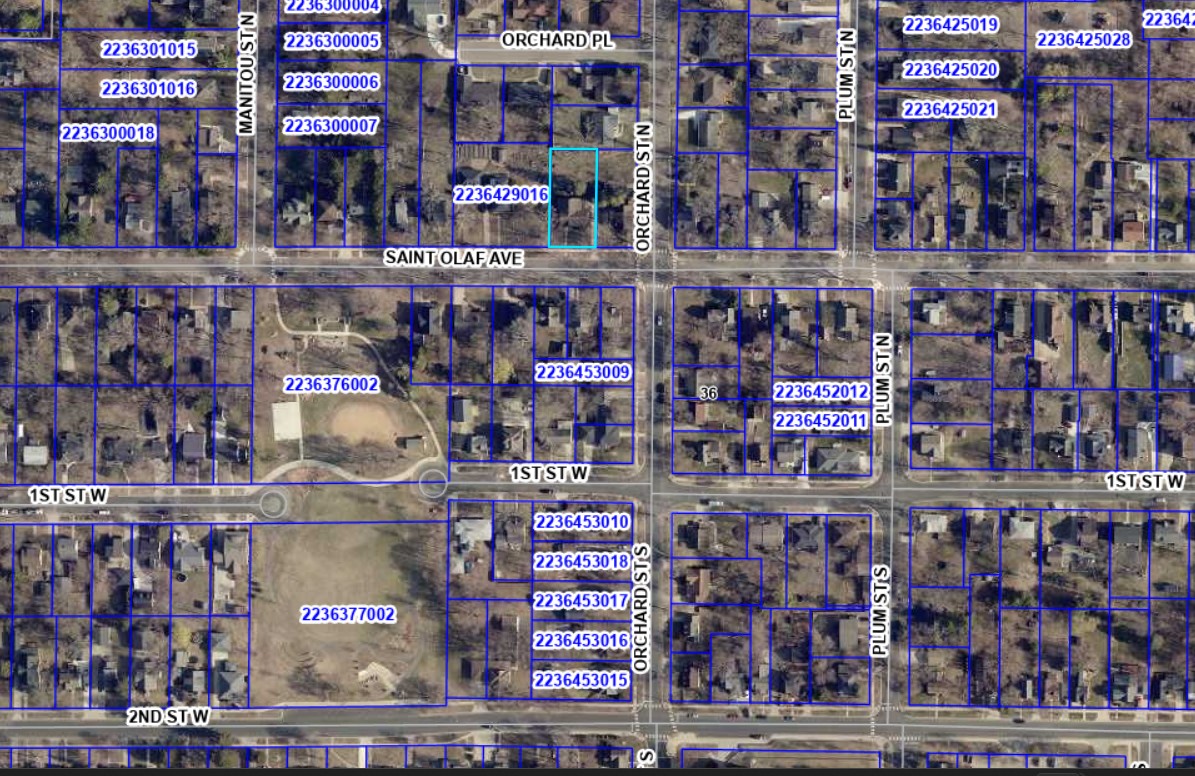
My interest is piqued as to what I will find on the West Side of the Cannon. I stroll down lovely tree lined streets. The houses are well maintained and appear to be older styles built in the late 1800s to early 1900s. I see date plaques on many and wonder about the historical secrets they are harboring. Then I come to 812 Saint Olaf Avenue. This one I have seen before - a craftsman bungalow built about 1912. It was the home of F. Melius Christiansen, the first owner, as a matter of fact. He led the music department at Saint Olaf College when it was in its infancy, forming the St. Olaf Choir and taking it on tour internationally the first year he directed. He followed this practice for the next thirty years.
Just down the block at 708 Saint Olaf Avenue is the John and Sarah Way House. This is a lovely restored Italianate style home built about 1883. John and Sarah Way were early pioneers from Vermont who were industrious landowners. They used their property as open pastureland and for farming cut-flowers. In 1933, their granddaughters donated a 4.6 acre piece of land to the city on the condition it be named “Way Park.” You will find it nearby. And, also nearby at 311 Manitou Street is the home of O.E. Rolvaag, novelist and professor of Norwegian and Writing at Saint Olaf College. He wrote most of his works at his home in Northfield which has been designated as a U.S. National Historic Landmark.
I wander onto the Saint Olaf Campus and admire the Ole Avenue Project that opened in the fall of 2022. The nineteen “Honor Houses” that were replaced had been constructed in the late 19th and early 20th centuries and were either deconstructed, repurposing materials, or removed. A few of the nineteen houses, the Johnson House on Saint Olaf Avenue; the Larson House, the Swanson House, and the Rose House, all on 1st Street W; and the Porter House on 2nd Street W, all have been slated for use as temporary housing for visiting faculty. Their future use is uncertain.
What is certain is that Saint Olaf College has grown from four public school buildings to a campus of 920 acres as well as a handful of off-campus houses to meet the needs of students and faculty. The campus buildings range in architectural styles and materials over 150 years. The neighborhood next to the school is residential and welcoming. I decide to walk to the nearest coffee shop for a break and visit the campus online. Go to the Virtual Exhibit or Story Maps for a less strenuous but interactive visit.